

The Ancient Origins of Gaming
The history of casino games can be traced back thousands of years, with evidence of gaming activities found in ancient civilizations such as Egypt, China, and Rome. Early games often mirrored the everyday lives of participants, utilizing materials readily available in their environments, such as dice made from animal bones or rudimentary card sets crafted from wood or paper. In ancient China, for instance, a simple coin-based game called “Keno” was used not only for entertainment but also to fund public projects, illustrating the multifaceted role gaming played in society. Today, players can enjoy various options, including pokies online australia , reflecting the evolution of gaming through the ages.
Gambling rituals in ancient Rome showcased the blend of entertainment and chance, with historical records indicating that gladiators participated in games of chance as part of their training. This concept of gambling was deeply embedded in various cultures, depicting a universal allure to risk and reward. As these games evolved, they began to formalize into recognized systems with rules, attracting keen participants willing to wager their goods or treasures in hopes of gaining more.
The transition from informal games to organized systems marked the dawn of more sophisticated gaming structures. The introduction of playing cards in the 9th century from the East highlighted a significant shift, as card games began to spread across Europe, leading to the development of popular classics such as Poker and Blackjack. The integration of cards into gaming further solidified the notion of chance and strategy, a characteristic that remains prevalent in modern casino games.
The Renaissance Influence on Gambling
The Renaissance period marked a pivotal moment in the history of casino games, characterized by the emergence of organized gambling establishments. This era saw the establishment of the first known casino, the Ridotto, in Venice, which opened its doors in 1638 to provide a controlled environment for gaming amid a society increasingly fascinated by chance. The Ridotto exemplified the transformation of gambling from a clandestine activity to a socially accepted form of entertainment, complete with rules and regulations.
During this time, the concept of gaming tables began to take shape, with players gathering around to enjoy games such as Basset and Faro. This social aspect of gambling became a key element in fostering community and camaraderie among players. The spectacle of the casino environment began to attract the upper echelons of society, leading to the glamorization of gaming that persists in modern establishments.
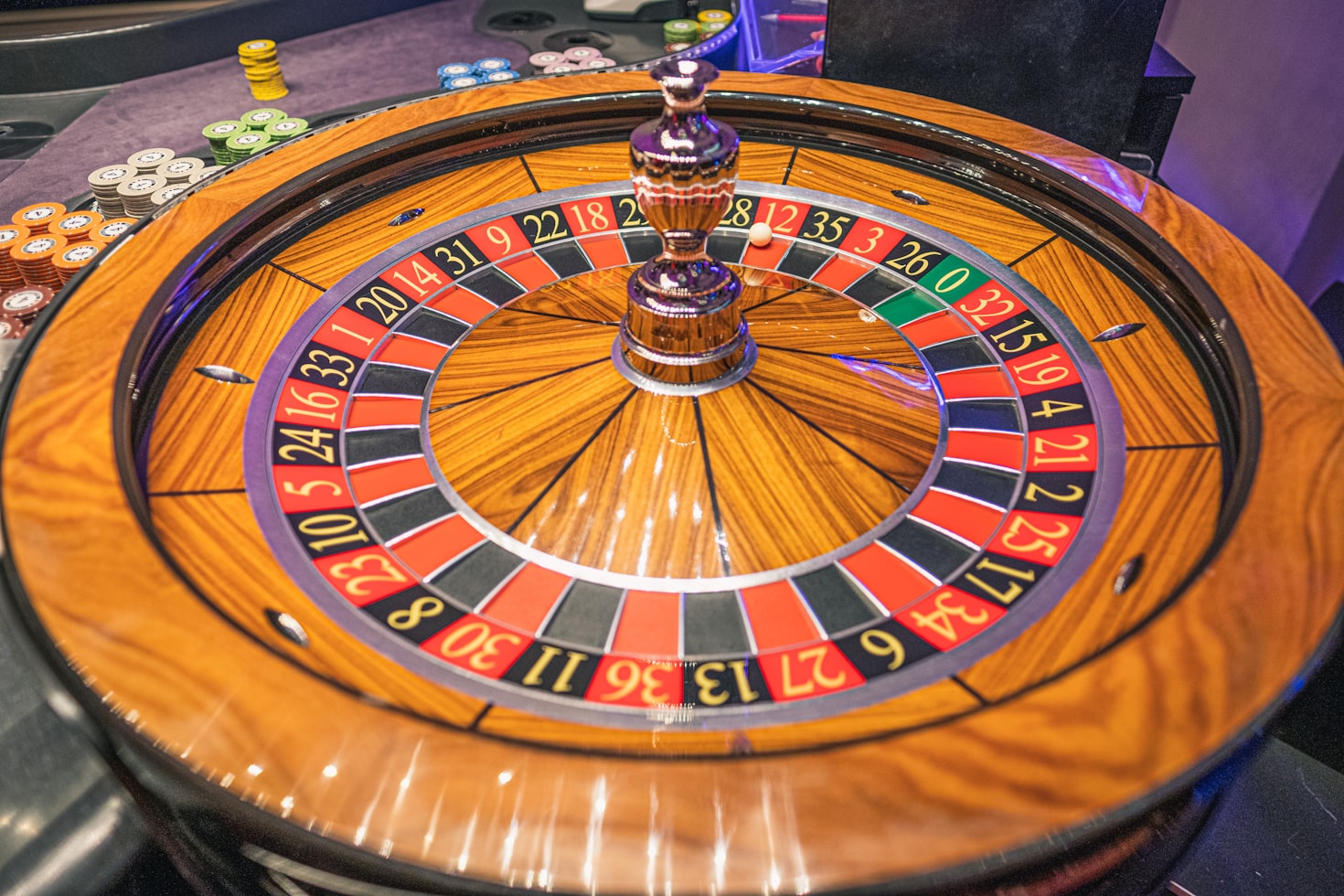
As gambling spread across Europe, various regions developed their unique games and rules, contributing to the global tapestry of casino entertainment. For example, the French contributed the iconic roulette wheel, which combined elements of chance and strategy, setting the stage for the high-stakes gaming tables we see in today’s casinos. The Renaissance laid the groundwork for an era where gambling was not only a pastime but a statement of social status and sophistication.
The Rise of Modern Gambling in the 19th Century
The 19th century heralded a new era in the evolution of casino games, particularly with the rise of gambling in the United States. The Gold Rush attracted people from all corners of the country, leading to the establishment of gaming houses in burgeoning towns like San Francisco and New Orleans. These establishments became synonymous with the American Wild West, where flash and fortune often intertwined in dangerous ways, encapsulating the essence of risk in gaming.
This period also saw the formalization of rules and the introduction of standardized games, making them accessible to a broader audience. Poker, in particular, began to flourish during this time, evolving from simple betting games into complex variations that required skill and strategy. The emergence of professional players provided inspiration and a framework for aspiring gamblers, transforming the perception of casino games from mere chance to a battleground of intellect and deception.
Additionally, the proliferation of gaming literature and guides in this century helped disseminate knowledge about various games, offering strategies and tips to enhance the players’ chances of success. This democratization of gaming knowledge played a crucial role in shaping the future landscape of casino games. The 19th century set the stage not just for diverse gaming options but also stitched gaming into the cultural fabric of society, integrating it into social gatherings and celebrations.
The Impact of Technology on Casino Games
The advent of technology in the 20th century revolutionized the casino landscape significantly. The introduction of slot machines in the early 1900s, characterized by simple mechanics and attractive designs, marked a turning point in how people engaged with casino games. These machines democratized gambling, making it accessible to individuals who may not have had the experience or knowledge to participate in complex card games or table games.

As technology progressed, so did the design and functionality of casino games. The late 20th century saw the incorporation of electronic gambling devices and video poker, appealing to a younger audience and transforming traditional gaming experiences. Casinos began to redesign their layouts to accommodate these new attractions, shifting the focus from high-stakes tables to immersive gaming experiences that catered to various preferences.
The rise of the internet in the 21st century marked the dawn of online casinos, enabling players to engage with their favorite games from the comfort of their homes. This shift not only expanded the reach of casino games globally but also introduced innovative developments like live dealer games, offering authentic experiences that closely mirrored traditional casinos. The integration of technology into gaming continues to redefine the casino landscape, ensuring its evolution remains vibrant and relevant.
Conclusion: The Future of Casino Games
The landscape of casino games is ever-evolving, shaped by historical traditions and influenced by modern technology. As we look to the future, it’s clear that the integration of virtual reality and artificial intelligence promises to redefine how players engage with gaming. The potential for immersive experiences will likely capture the imagination of new generations while also preserving the rich heritage of casino games that have entertained people for centuries.
The persistent draw of casino games lies in their ability to combine chance, strategy, and social interaction, making them a timeless form of entertainment. The journey from ancient gaming to today’s sophisticated offerings illustrates the adaptability of these games, ensuring they continue to resonate with audiences around the world. As trends evolve, so too will the creativity and innovation within the industry, paving the way for exciting advancements in casino entertainment.
This website aims to keep you informed on the latest trends and insights in the world of casino gaming. Whether you’re a seasoned player or a newcomer curious about the history and future of casino games, we provide comprehensive resources to enrich your gaming experience. Join us as we explore the captivating journey of casino games and the endless possibilities that lie ahead.